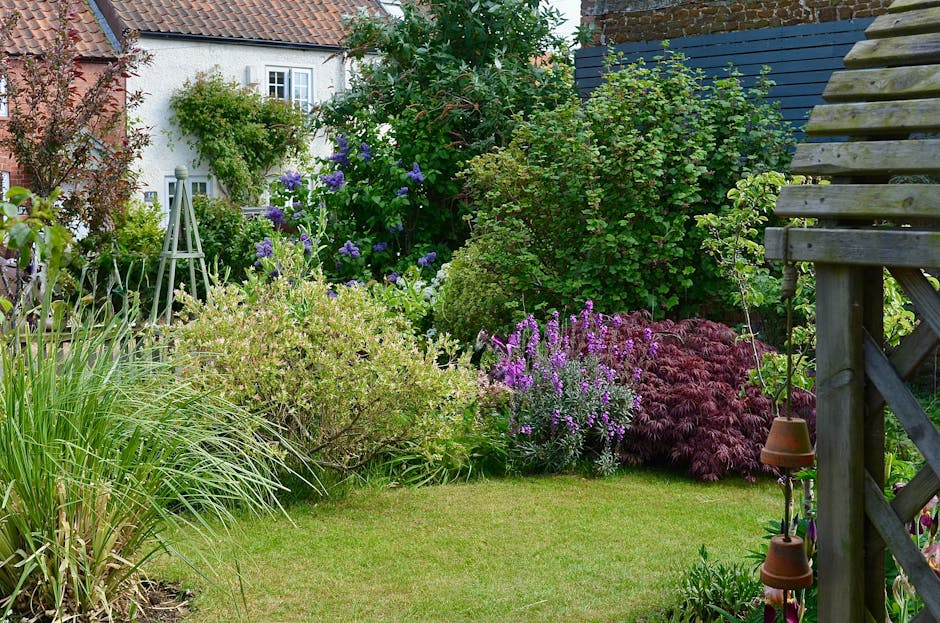
Best gardeners near Downham High Street for small yards: a practical guide for compact gardens
If your outdoor space is more "neat courtyard" than "sprawling lawn," finding the best gardeners near Downham High Street for small yards can make an enormous difference. A well-handled small garden feels calmer, looks bigger, and is far easier to live with day to day. But the trick is not just hiring someone who can cut grass and trim a hedge. You want a gardener who understands tight access, limited storage, awkward corners, privacy, and the little design choices that make a compact yard feel intentional rather than cramped.
That matters especially around Downham High Street, where homes often need flexible, tidy, reliable garden help that respects space and time. In this guide, you'll find what to look for, how the service should work, what good results really look like, and how to compare options without getting lost in sales talk. Truth be told, a small yard can be more demanding than a bigger one. There's nowhere to hide the mistakes.
Expert summary: the best fit for a small yard is usually a gardener who combines precise maintenance with practical design sense, clear communication, and safe, tidy working habits. Not flashy. Just good. That's usually what keeps a compact garden looking fresh week after week.
Table of Contents
- Why Best gardeners near Downham High Street for small yards Matters
- How Best gardeners near Downham High Street for small yards Works
- Key Benefits and Practical Advantages
- Who This Is For and When It Makes Sense
- Step-by-Step Guidance
- Expert Tips for Better Results
- Common Mistakes to Avoid
- Tools, Resources and Recommendations
- Law, Compliance, Standards, or Best Practice
- Options, Methods, or Comparison Table
- Case Study or Real-World Example
- Practical Checklist
- Conclusion
- Frequently Asked Questions
Why Best gardeners near Downham High Street for small yards Matters
Small yards are often underestimated. People assume they need less care because there is less ground to cover. In reality, they usually need more precision. A narrow side return, a small patio, a compact front garden, or a tiny back yard can quickly look messy if the edges are soft, the planting is overcrowded, or the paving has been ignored for one too many damp weeks.
The best gardeners near Downham High Street for small yards understand how to make the most of limited space without overcomplicating it. That means choosing services that suit the garden's scale: regular tidying, smart pruning, controlled planting, weed management, hedge shaping, and sometimes a bit of seasonal reset work. You do not need a giant team or dramatic landscaping for every job. Often, you need judgement.
And that judgement is what separates an average result from one that quietly lifts the whole property. A compact yard can feel brighter, roomier, and easier to use when the work is done with restraint. Leave too much growth, and the space shrinks visually. Cut too hard, and it can feel bare. The right gardener knows the middle ground.
There's also a practical side. Small gardens are often visible from the street or used daily as a passageway, bin store, or sitting area. That means any untidiness is noticed quickly. A good gardener helps keep the whole place looking cared for, even when you're too busy to think about it. And let's face it, most of us are.
How Best gardeners near Downham High Street for small yards Works
At its simplest, the process starts with understanding the size, condition, and use of the yard. A proper gardener should not jump straight to "what tools do I use?" They should start with "what is this space supposed to do for you?" Is it mainly decorative? Do you want somewhere to sit? Is it a low-maintenance family space? A place for containers? A bit of all four?
Once those priorities are clear, the work usually falls into a few categories:
- Maintenance: mowing, edging, weeding, pruning, leaf clearance, and general tidy-up.
- Seasonal work: planting, soil refresh, cutting back, mulching, and preparing the yard for weather changes.
- Space optimisation: reducing clutter, improving plant spacing, and making the garden feel more open.
- Health and safety: handling tools properly, managing waste, and working carefully around paths, steps, and tight access.
For many small yards, the best service is not a one-off "big fix" but a steady routine. That may mean fortnightly visits, monthly maintenance, or a more intensive seasonal reset followed by lighter care. The rhythm matters more than the label.
If you're comparing providers, it helps to look beyond the headline service. A reliable business should be clear about what's included, how quotes work, what happens with waste, and how scheduling is handled. You can get a useful overview from the services overview, and if you want pricing clarity, check the pricing and quotes information before making decisions.
Key Benefits and Practical Advantages
The obvious benefit is appearance. A tidy small yard simply feels better to walk into. But the real value goes deeper than that.
1. Better use of space
In a compact garden, every square metre counts. Skilled gardeners know how to stop plants from crowding each other, how to keep sightlines open, and how to avoid visual clutter. That makes the space feel larger without altering the layout.
2. Lower stress
A small yard can become surprisingly overwhelming when weeds build up or pruning gets delayed. Regular help stops the garden from becoming one of those jobs you keep meaning to do but never quite do. We've all had one of those corners staring back at us.
3. Easier maintenance over time
Good ongoing care often reduces bigger problems later. Overgrown shrubs, neglected borders, and blocked drainage around patios can all become more time-consuming if ignored. A steady service helps keep things manageable.
4. Better plant health
In a small space, plants compete closely for light, water, and nutrients. Correct pruning, sensible spacing, and seasonal care can improve the health of the whole garden. That does not sound glamorous, but it works.
5. More usable outdoor living space
When the garden is clean and balanced, it becomes a place you actually use. A chair comes out more often. A morning coffee feels nicer. The space starts earning its keep.
If sustainability matters to you, it can also be worth asking how waste is handled and whether clippings, green waste, and materials are reused or disposed of responsibly. A good starting point is the company's recycling and sustainability approach.
Who This Is For and When It Makes Sense
This service is a strong fit for homeowners, landlords, tenants, and small-business property managers who need a tidy, presentable outdoor area but do not have the time, tools, or know-how to keep on top of it properly.
It is especially useful if you have one of these situations:
- A small back yard that gets cluttered fast.
- A front garden that sets the tone for the whole property.
- A narrow side space with awkward access.
- Containers, raised beds, or mixed planting that need careful handling.
- A garden that looks fine in spring but turns unruly by mid-summer.
- A property you want to present well for rent, sale, or guests.
It also makes sense if you enjoy your garden in principle, but not enough to spend Saturday afternoon kneeling in cold soil with a pair of blunt shears. To be fair, not everyone does.
If you are new to hiring a gardener, it can help to read a little about the team behind the work and how they operate. The about us page is a sensible place to start, especially if you value a service that feels personal and easy to deal with. And if you already know what you need, the contact page is the straightforward next step.
Step-by-Step Guidance
Here is a practical way to choose and work with the right gardener for a small yard. Simple enough, but worth doing carefully.
- Define the goal. Decide whether you want pure maintenance, a visual refresh, or a small redesign of how the space functions.
- Measure the space roughly. You do not need architectural precision. A basic sense of dimensions and access is enough to improve quotes and planning.
- List the problem areas. Think about weeds, overgrown plants, patchy lawn, mossy paving, poor drainage, or messy containers.
- Share photos. For compact spaces, a few clear photos usually help more than long explanations.
- Ask what is included. Check if the quote covers waste removal, edging, pruning, or disposal of cuttings.
- Confirm scheduling. Small gardens often benefit from regular, shorter visits rather than occasional big sessions.
- Agree on priorities. If budget is tight, start with the parts that matter most visually and practically.
- Review the result after the first visit. A good gardener should leave the space tidy and easy to maintain.
One small but important point: good communication matters. If a shrub should be reduced by half, say so. If you want the yard kept low-maintenance, mention that early. The fewer assumptions, the better.
Expert Tips for Better Results
Keep the planting simple. In small gardens, complexity quickly becomes clutter. Mixed planting is lovely, but it needs discipline. A few well-placed plants often work better than a crowded border full of competing shapes.
Use vertical space wisely. Small yards benefit from climbing plants, wall features, and trellis work, provided they are kept tidy. The aim is to draw the eye upward without making the garden feel busy.
Trim with intention. A slight reduction can open up the space dramatically. But over-pruning can strip the garden of character. The best gardeners know where to stop. That's the bit that comes with experience.
Prioritise lines and edges. In compact spaces, clean edging, clear paths, and visible boundaries do a lot of heavy lifting. A tidy edge can change the whole mood of a yard in ten minutes flat.
Schedule work around the seasons. Spring and early autumn are often the most useful times for shaping, planting, and resetting. Summer maintenance is about control. Winter is often about protection and clearing.
Think about light. A small yard can feel darker than it is if plant growth blocks daylight. Opening up the space a little may make it feel more inviting, especially on grey London mornings when the light is already doing its best to stay hidden.
If you want a service that also pays attention to safe practice and responsible working, it is worth reviewing the company's health and safety policy and insurance and safety information. Those pages are useful signals that the provider takes the practical side seriously, not just the pretty side.
Common Mistakes to Avoid
Choosing based only on price. The cheapest option is not always the best value, especially if the result means repeated call-backs or a space that still looks unfinished.
Not checking experience with small spaces. Someone who is brilliant on large lawns may not be as precise in a tight courtyard or narrow yard. The skills overlap, but not completely.
Ignoring access issues. Narrow side gates, awkward steps, limited parking, or shared entrances can affect the work more than people expect. Mention them early.
Overplanting the space. It is tempting to fit in one more pot, one more shrub, one more feature. Then suddenly the yard feels busy and a bit breathless.
Skipping maintenance after the first tidy-up. A one-off reset is useful, but small gardens often slide back quickly without a routine. The work lasts longer when the follow-up is planned.
Not asking about waste removal. Cuttings, soil, broken pots, and old plant material can create extra hassle if nobody has agreed what happens to them.
A slightly messy truth here: the garden often tells you the problem before the gardener does. If the space feels hard to move through, hard to clean, or hard to enjoy, that is a clue. Not a mystery.
Tools, Resources and Recommendations
You do not need to become a gardening expert yourself, but a few basics help you make better choices and get better value from a professional visit.
- Photos of the garden in daylight: useful for quoting and planning.
- A simple list of priorities: what must be done, what can wait, and what you would like improved.
- Access notes: gate width, parking, shared entrances, and any locked areas.
- Seasonal context: whether the garden is at spring growth, summer maintenance, autumn clear-down, or winter tidy stage.
- Budget range: not a rigid rule, just a sensible guide for the size of the job.
On the service side, it helps to review how quotes are produced and what payment methods or security standards are in place. The payment and security information and pricing and quotes page can make that part much clearer. Nobody enjoys awkward surprises after the job is done.
For people who want a broader sense of what a provider can handle, the full services overview is a useful companion page. It helps you see whether your needs are a good fit for routine garden care, more detailed tidy-ups, or something a little more involved.
Law, Compliance, Standards, or Best Practice
For most homeowners, hiring a gardener is straightforward. Still, there are sensible standards to keep in mind. In the UK, a professional gardening service should work carefully, use equipment safely, manage waste responsibly, and communicate clearly about what is and is not included. If a job involves heavier tools, hedge work, sharp equipment, or access challenges, good safety practice becomes especially important.
You do not need a legal lecture, thank goodness. But you should expect:
- Clear terms and conditions so the scope of work is understood in advance.
- Appropriate insurance for public liability and business operations where relevant.
- Safe handling of tools and materials on your property.
- Fair complaints handling if something goes wrong.
- Respect for privacy and property while work is being carried out.
If you are comparing providers, this is where trust is built. It is not glamorous, but it matters. The relevant support pages, including terms and conditions, complaints procedure, and privacy policy, are worth reviewing because they show how the business handles the basics. That kind of housekeeping is usually a good sign.
If you have accessibility needs or prefer information in a more usable format, the accessibility statement may also be helpful. Small detail, maybe, but it says something about how seriously the company thinks about user experience.
Options, Methods, or Comparison Table
Not every small yard needs the same type of service. Here is a simple comparison to help you decide what fits best.
| Option | Best for | Typical strengths | Possible limitation |
|---|---|---|---|
| One-off tidy-up | Neglected yards, pre-sale prep, seasonal reset | Fast improvement, clear before-and-after impact | May need follow-up to stay neat |
| Regular maintenance | Busy households, compact gardens used often | Consistent appearance, easier long-term control | Less dramatic transformation at first |
| Light redesign and maintenance | Small yards that feel cramped or dated | Better layout, improved planting balance, stronger visual flow | Needs more planning and usually a higher budget |
In practice, many people start with a one-off tidy-up, then move into regular maintenance once the space is back under control. That is often the easiest way to get momentum without overcommitting. No drama, no grand plan, just a sensible sequence.
Case Study or Real-World Example
Picture a typical small yard near Downham High Street: a paved area with a few tired pots, a narrow border, some weeds in the joints, and one shrub that has grown a bit too proud of itself. The owner wants it to look welcoming from the kitchen and easy to manage through the week. Not a full redesign. Just better.
A good gardener would usually start by clearing the clutter, removing dead growth, trimming back the shrub to restore shape, and edging the borders so the space feels deliberate again. If the paving is slippery or dusty, it may be cleaned as part of the tidy-up. Then the gardener might suggest a simpler planting arrangement: fewer pots, better placement, and plants that suit the light rather than fighting it.
What changes most is often not the size of the space, but the feeling of it. Once the edges are clear and the planting is controlled, the yard looks easier to use. It becomes a place you notice for the right reasons. You open the back door, and it just looks calmer. That is the whole point, really.
When that kind of result happens, it is usually because the gardener understood the space rather than just working through a checklist. That distinction matters more than people think.
Practical Checklist
Use this before you book a gardener for a small yard near Downham High Street.
- Have I defined what I want the space to do?
- Do I know whether I need one-off work or regular maintenance?
- Have I taken a few clear photos in daylight?
- Have I noted access issues, parking, or shared entrances?
- Do I know which jobs are essential and which are optional?
- Have I checked what the quote includes?
- Have I asked about waste removal and disposal?
- Have I reviewed the provider's trust and policy pages?
- Have I thought about how often the yard will need attention afterward?
- Am I comfortable with the communication style and process?
If you can tick most of those off, you are in good shape. Small gardens reward good preparation. A little planning now saves a fair bit of back-and-forth later.
Conclusion
Finding the best gardeners near Downham High Street for small yards is really about finding someone who understands proportion, practicality, and regular care. In a compact space, details matter: the line of an edge, the size of a shrub, the space around a pot, the way light reaches the patio in late afternoon. Small things. Big effect.
The right gardener will help you keep the yard tidy, usable, and pleasant without turning it into a high-maintenance project. That balance is what most people are after, even if they do not say it out loud. And once you've got it right, the garden becomes less of a chore and more of a quiet part of daily life. A decent view out the window. A place to sit for five minutes. Enough, sometimes, is exactly enough.
Get a free quote today and see how much you can save.
If you are ready to take the next step, explore the team's background on the about us page, review the services overview, and then make contact when you feel ready. A small yard can become a really lovely part of the home with the right hands on it.
Frequently Asked Questions
What should I look for in the best gardeners near Downham High Street for small yards?
Look for someone who understands compact spaces, gives clear quotes, explains what is included, and works neatly. Experience with small gardens matters because the margins for error are tighter. Good communication is a big clue too.
How often should a small yard be maintained?
It depends on planting, usage, and season, but many small yards benefit from regular visits rather than occasional deep cleans. A monthly tidy-up may be enough for some spaces, while others need fortnightly attention in peak growing months.
Is a one-off tidy-up enough for a very small garden?
Sometimes yes, especially if the garden has simply become overgrown or cluttered. But if you want it to stay neat, a follow-up maintenance plan usually gives better long-term value. Otherwise the weeds, as ever, get a vote.
Do gardeners help with design as well as maintenance?
Many do, especially for small yards where layout and planting choices make a big difference. A practical gardener may suggest better spacing, simpler planting, or ways to make the space feel larger without major construction.
How do I compare quotes for a small yard?
Compare what is actually included, not just the price. Check whether waste removal, pruning, edging, and cleanup are part of the quote. A cheaper price can be misleading if half the work is excluded.
Can a gardener make a small yard look bigger?
Yes, often through better edging, smart pruning, simpler planting, and clearer sightlines. The right changes can make even a tiny yard feel more open and calmer.
What if my garden has awkward access?
Tell the gardener in advance about narrow gates, steps, parking issues, or shared entrances. Access affects the time, tools, and logistics needed, so it is better to be upfront than surprised on the day.
Do I need to be home during the gardening visit?
Not always, but it depends on the arrangement and access. Some people prefer to be present for the first visit, especially if they want to explain priorities in person. After that, things often become much easier.
Are small gardens more expensive to maintain?
Not usually by area alone, but small yards can be surprisingly labour-intensive if access is tight or the planting is dense. The effort-to-space ratio is what matters more than size.
What should I ask before booking a gardener?
Ask what services are included, how waste is handled, whether the gardener has insurance, how often maintenance is recommended, and how pricing works. Those questions help you avoid confusion later.
Can I get help with both regular maintenance and a seasonal reset?
Yes, that is a very common approach. Many people start with a one-off refresh to bring the garden back under control, then move onto a regular maintenance schedule to keep it that way.
Why does safety matter in a small yard?
Because tight spaces leave less room for tools, movement, and waste storage. Safe working helps protect paths, fencing, plants, and people. It also shows professionalism, which is reassuring when someone is working close to your home.