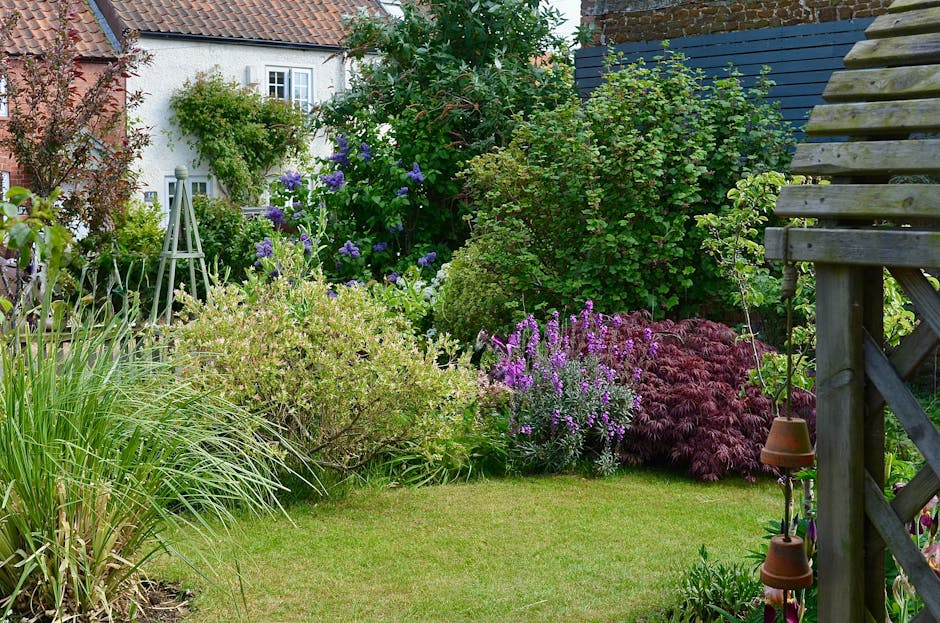
Gardening Services in Downham

Gardening Services Downham provides practical help with keeping outdoor spaces tidy, healthy and workable across the seasons. The main service covers routine garden maintenance, lawn care, hedge trimming, clearance and light landscaping support, so a homeowner or landlord can deal with the parts of a garden that need regular attention without trying to coordinate several different trades. The emphasis is on dependable gardening work that keeps borders, lawns and access areas under control and presentable.
Our service is suited to gardens that need one-off attention as well as those that benefit from a regular schedule. That can include shaping overgrown hedges, reducing rough growth, mowing grass, removing waste, refreshing planting areas and improving the look of neglected sections. We keep the service straightforward, with the aim of making the next step clear for anyone who wants to arrange garden help in Downham.
If you want to compare options or plan a wider project, start with the most urgent area of the garden and work from there. You can also request a quotation once you know whether you need ongoing maintenance, a clearance visit or a more involved tidy-up. For a fuller overview of what we cover, the services overview is a useful place to begin.
Regular Garden Maintenance and Lawn Care
Routine maintenance is the core of many domestic gardens, especially where lawns, borders and hedges all need different levels of attention. A maintenance visit typically focuses on preventing growth from becoming untidy or difficult to control, rather than waiting until the garden has become heavily overrun. That approach helps keep the space usable and makes each visit more efficient, because each job can be completed before it turns into a larger rebuild.
For lawns, the work may involve mowing, edging and clearing clippings so the finish looks neat rather than rushed. In planting areas, we can remove weeds, cut back spent growth and tidy the outline of beds and paths. Where the garden has multiple features, the order of work matters: some areas need careful trimming first, while others are better completed after mowing or clearing. That balance keeps the result tidy without disturbing healthy growth more than necessary.
Garden maintenance also helps customers who want a simple, repeatable plan rather than a complete redesign. A regular arrangement may suit properties with front and back gardens, rental homes between occupancies or households that need steady upkeep through the growing season. If the garden already has a clear layout, our work is usually about preserving it and keeping it manageable. For details of how ongoing care can be arranged, see garden maintenance.
Hedges, Boundaries and Defined Garden Edges

Hedge trimming is often the work that has the greatest visual effect because it restores shape quickly and improves the boundary line between one part of the garden and another. Trimming can be used to reduce outward spread, level the top, neaten the sides or bring a hedge back into a clearer form after a period of unchecked growth. The aim is not only to improve appearance, but also to keep access clear and prevent the hedge from dominating nearby planting or hard landscaping.
There is a difference between a light seasonal trim and a more corrective cut on an established hedge. A lighter trim keeps the shape compact, while a larger reduction needs more careful planning so the hedge is not cut back beyond what is sensible for the species and condition. We can also help with the cleanup that follows, because hedge work usually produces a significant amount of cuttings that need collecting and removing. For a dedicated hedge service, visit hedge trimming.
Well-defined edges are useful around lawns, fence lines and paths because they help the whole garden read as intentional rather than unfinished. Even modest trimming around a boundary can change how the garden feels to use and to look at. Where a hedge forms a screen or a shelter, the work may need to be more measured so the shape remains balanced and the growth stays healthy. The result is a cleaner frame for the rest of the outdoor space.
Clearance Work for Overgrown and Untidy Spaces
Garden clearance is the right choice when a space has become difficult to manage because of accumulated growth, cuttings, fallen material or general neglect. This type of work usually starts by separating what can be cut back, what should be removed entirely and what needs collecting for disposal. It can be used after a long period without maintenance, before another service is carried out, or when a customer simply wants the area brought back to a workable condition.
The benefit of clearance is that it restores access and creates a clean starting point. Once the heavier material is removed, the remaining garden is easier to assess and easier to maintain in future. Clearance may include stripping back brambles, reducing dense surface growth, clearing corners, removing dead material and leaving the area ready for the next stage of improvement. If you need a more focused option, see garden clearance for this type of work.
Not every clearance job needs the same level of intervention, so it is sensible to separate simple tidying from more involved work. Some gardens need nothing more than removal of debris and an orderly cut-back, while others require the area to be opened up so paths, borders and edges can be used again. In either case, the purpose is to make the outdoor space easier to see, reach and manage without making promises that are not appropriate to every site.
Light Landscaping and Garden Structure

Some gardens need more than routine maintenance, but do not require a full redesign. Light landscaping can bridge that gap by improving structure, refreshing tired areas and helping the garden function better. This may include reworking sections of planting, adjusting the shape of an edge, improving a small patch of ground or making the space feel more ordered overall. The work is practical first, with appearance improving as a result of better structure.
When landscaping is considered alongside maintenance, the decisions are usually about scale and sequence. A well-planned garden often benefits from fixing the underlying shape first and then keeping it tidy afterwards. That can mean preparing bare or uneven ground, improving a border, adding definition to paths or tying different parts of the space together so they look more coherent. To explore this type of work, the landscape gardening page gives a useful indication of the service direction.
For customers who are deciding between a simple tidy-up and a more involved improvement, it helps to think about whether the garden needs repair, reshaping or only regular care. Some spaces respond well to a modest intervention because the main issue is layout rather than condition. Others need a sequence of tasks to bring them back into use. Either way, the service should remain proportionate to the condition of the garden rather than forcing a larger project than is required.
Working with Lawns, Borders and Seasonal Growth
Gardens change noticeably through the year, which is why the mix of tasks often shifts from one visit to the next. Spring and summer can bring fast growth, frequent mowing and regular edging, while later in the year the emphasis may move towards cutting back, clearing and keeping the site manageable as growth slows. A good gardening service responds to those changes rather than using exactly the same routine every time.
Lawns, borders and shrubs each need different treatment, and the timing of the work matters as much as the tool used. Cutting too much from the wrong plant at the wrong time can leave the garden looking blunt, while leaving growth unchecked can allow paths and beds to lose their shape. We therefore approach each area with the relevant method in mind, keeping the results neat without treating every section as if it were identical. Careful seasonal work tends to give a better finish and avoids unnecessary disturbance.
When a customer wants the garden kept in reasonable order, a mixed service can be more effective than arranging separate visits for every small task. Mowing, trimming, weeding and light tidy-up work are often easiest to combine when they are part of the same plan. That makes it simpler to manage the whole outside space and keeps the appearance consistent from one area to another. If the lawn is the main priority, see lawn mowing for a focused service page.
About Downham

Downham is a place with more than one reference point in British geography, so the setting matters. In the London context, Downham is an area in the London Borough of Lewisham in south-east London, developed during the interwar period as a large council estate and now closely associated with residential streets, local shopping parades and access to nearby green space. It sits within an urban part of the capital where the street pattern reflects planned housing growth rather than older village form. The area connects with neighbouring districts such as Grove Park, Beckenham and Catford through everyday transport and local routes, while retaining a distinctly residential character of its own. Parts of the estate were laid out in the 1920s and 1930s, which gives the district a recognisable suburban structure with low-rise homes, gardens and open spaces between built-up corridors. The name is also linked historically to the Downham Marshes and earlier rural land use, showing how the area evolved from an outer-fringe landscape into a settled London neighbourhood. Nearby parks and green corridors help define the local environment, and the broader borough has a mix of post-war and interwar housing alongside older commercial centres. For visitors or readers unfamiliar with the district, it is best understood as a planned residential area with a strong local identity shaped by twentieth-century expansion, ordinary urban amenities and access to the wider south-east London network.
For many homeowners, the practical difference between service choices comes down to whether the garden needs frequent upkeep or a one-off correction. Maintenance keeps a space looking orderly; clearance restores a neglected or overgrown area; landscaping changes the structure of the space itself. In some cases the work begins with the most obvious issue, such as a long hedge or a lawn that has lost its shape, and then moves outward to the rest of the garden. In other cases, the best result comes from a wider tidy-up that addresses every visible area in one visit. If you are unsure which approach suits the garden, it is reasonable to compare the options first and then decide what level of work feels proportionate.
Useful enquiries usually become clearer when the scope is described in straightforward terms. It helps to note the main areas that need attention, whether the garden is mainly front, back or both, and whether the work is meant to be routine or corrective. That is often enough to identify the right service direction without making the process complicated. You can also ask for a quotation once the immediate priorities are clear. If you want to see how that is handled, the pricing and quotes page is the natural next step.
Choosing the Right Level of Garden Work
One of the most useful parts of arranging gardening help is deciding how much work should be done now and what can wait until later. A small garden may only need a routine mow and trim, while a larger or more established space can benefit from a blend of tasks that improve both appearance and access. The best plan is usually the one that matches the garden’s condition rather than overcomplicating it.
There are practical limits too. Some jobs are mainly visual, such as shaping a hedge or neatening edges, while others are about returning a garden to a usable state after it has been left too long. The difference affects the time, tools and disposal involved, so it is sensible to be clear about whether you need upkeep, clearance or a modest improvement project. If the work forms part of a larger outdoor change, the landscaping page may also be relevant.
For many customers, the easiest way to think about it is simple: if the garden still functions but needs tidying, maintenance may be enough; if the space is hard to access or overgrown, clearance may be the better starting point; if the layout itself feels weak or unfinished, landscaping support may be worthwhile. That distinction helps keep the work focused on what will actually improve the garden.
Waste Handling, Access and Practical Preparation

When gardening work produces cuttings, clippings or removed material, the handling of waste becomes part of the overall job. Good practice is to collect the material cleanly, separate what can be moved easily and leave the site tidy once the visible work is done. In a garden, waste can build up quickly after even a modest trim, so planning for removal or disposal is often as important as the cutting itself. Orderly cleanup is a basic part of a professional finish.
It also helps to think about access before the visit. Clear access to the garden, a sense of which gates or paths should be used and a brief note of any areas needing particular care can make the work more efficient. If there are pets, narrow side passages, awkward corners or fragile planting, mentioning them at the outset helps avoid confusion. Keeping preparation focused on the essentials means the service can concentrate on the actual gardening rather than on avoidable delays.
If you are comparing services or want to understand the practical approach behind the work, the about us page offers a wider view, while the main action for a new customer is still to arrange a quotation. You can request a quote today and use that as the starting point for a clearer plan.
Supporting Different Garden Types and Property Needs
Gardens vary widely in size, shape and maintenance history, so the service needs enough flexibility to suit the property rather than forcing one style of work onto every site. A compact front garden may need neat edging and light trimming, while a deeper back garden may require more time spent on mowing, cut-back work and clearing. Shared access, boundary lines and the amount of planting all affect how the job is carried out, even when the overall goal is simply to leave the space tidy.
For some properties, the most helpful service is a recurring maintenance pattern that keeps the garden under control with minimal disruption. For others, the first step is a stronger intervention to restore order after a period of neglect. We can also support projects where the work is spread across more than one area, for example when lawns, hedges and beds all need attention in the same visit. If a property has especially prominent tree growth that needs attention, the separate tree lopping and removal page may be relevant.
The key is to choose a level of work that fits the condition of the garden and the result you want to achieve. That keeps the service grounded in real needs instead of turning it into an overspecified package. It also means the conversation can stay practical: what is growing, what is untidy, what needs removing and what should simply be maintained. Those points are usually enough to shape the right approach.
Next Steps for a Gardening Quote
If you are ready to move forward, a quotation is the simplest way to match the service to the garden. It is useful to have a clear idea of the main tasks, such as mowing, hedge trimming, general maintenance or a clearance visit, because that helps the scope stay accurate. When several areas need attention, listing them in order of priority is often the best way to keep the discussion focused.
Different jobs can be combined when that makes practical sense, but the quotation should still reflect the actual work required. A tidy lawn, an overgrown hedge and a cluttered border are related issues, yet they are not the same task, so it helps to distinguish them. That way the quote can be based on the real condition of the garden, the amount of time involved and the type of work needed rather than on assumptions.
To begin, use the contact route that suits you and explain the garden in plain terms. If you want the next step to be straightforward, contact us and ask for a quotation for Gardening Services in Downham.