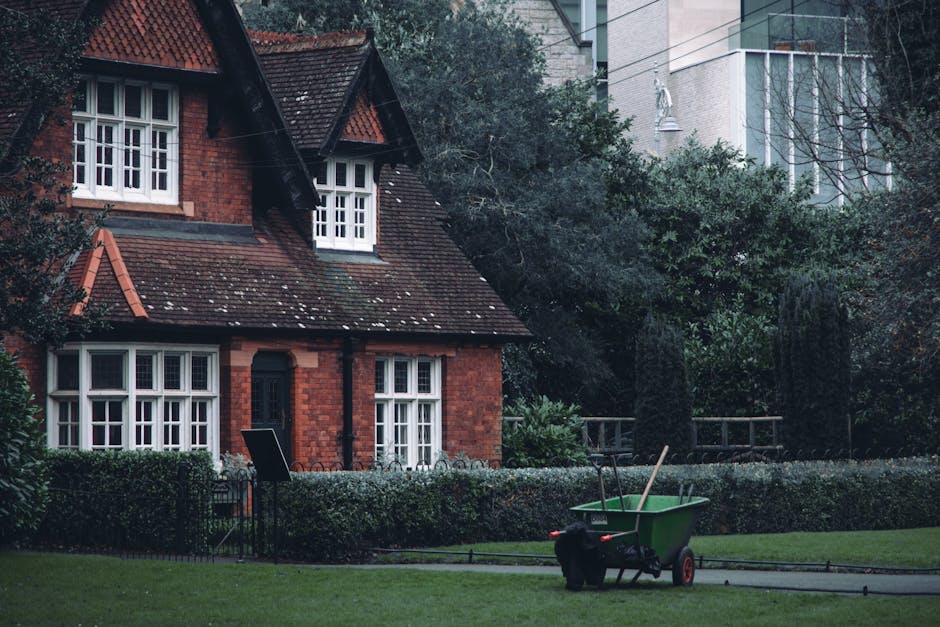
Gardeners for properties by Downham Village Green trusted choices
If you are looking for Gardeners for properties by Downham Village Green trusted choices, you are probably after more than a quick tidy-up. You want a team that understands how a London garden behaves through wet winters, bright spring growth, and those strangely demanding stretches when everything seems to need attention at once. You may also want reliability, good judgment, and a result that makes a property look cared for without feeling overworked.
That is really the heart of it. Good gardening for properties is not just mowing, trimming, and hoping for the best. It is about presentation, plant health, safety, access, and the little details that make a front garden, communal space, or private plot feel looked after. In a place like Downham Village Green, where homes and shared outdoor spaces can shape first impressions in a very real way, trusted choices matter. A lot.
This guide breaks down what to expect, how to choose well, the practical benefits, the common mistakes, and the kind of standards that help you avoid expensive do-overs later. It is written for property owners, landlords, managing agents, and anyone who wants their outdoor space to stay tidy, usable, and pleasant rather than becoming a weekend headache.
Table of Contents
- Why Gardeners for properties by Downham Village Green trusted choices Matters
- How Gardeners for properties by Downham Village Green trusted choices Works
- Key Benefits and Practical Advantages
- Who This Is For and When It Makes Sense
- Step-by-Step Guidance
- Expert Tips for Better Results
- Common Mistakes to Avoid
- Tools, Resources and Recommendations
- Law, Compliance, Standards, or Best Practice
- Options, Methods, or Comparison Table
- Case Study or Real-World Example
- Practical Checklist
- Conclusion
- Frequently Asked Questions
Why Gardeners for properties by Downham Village Green trusted choices Matters
Properties are judged quickly. A neat hedge, swept path, clipped lawn, and healthy planting can make a home or block feel respected before anyone even gets to the front door. That first impression is not cosmetic fluff; it affects how people experience the place, how residents feel about it, and sometimes how long problems are left to grow quietly in the background. Literally.
Trusted gardening support matters because outdoor spaces fail in small steps. Weeds appear in paving joints. Leaf fall blocks drains. Grass gets patchy from poor mowing patterns. Shrubs creep over entrances. None of this is dramatic on its own, but together it creates that slightly neglected feel you notice out of the corner of your eye. And once a space starts looking uncared for, it often becomes harder to keep on top of it. Funny how that works.
For properties near Downham Village Green, there is also a local rhythm to consider. The area can present mixed garden conditions: established planting, compact urban plots, shared access areas, boundary hedges, and seasonal pressure from shade, rain, and foot traffic. A gardener who works with properties rather than just one-off domestic jobs understands maintenance as an ongoing system, not a one-time rescue mission.
Expert summary: the best gardening choices are the ones that protect appearance, plant health, access, and long-term costs at the same time. If a service only solves one of those, it is probably not enough.
How Gardeners for properties by Downham Village Green trusted choices Works
In practice, property gardening usually starts with a walk-through and a simple conversation: what needs attention, what must stay looking tidy, how often the site needs care, and whether there are any access or timing restrictions. A good gardener will not rush this. They will look at the condition of lawns, borders, hedges, hard surfaces, and any plants that need more thoughtful handling.
Then comes the maintenance plan. For some properties, that means weekly or fortnightly visits. For others, it may be seasonal visits with extra focus in spring and autumn. The right schedule depends on how visible the garden is, how quickly it grows, and how much use the space gets. A front garden seen by every visitor has different needs from a sheltered back area that mostly needs structure and weed control.
The work itself can include mowing, edging, pruning, deadheading, leaf clearance, soil improvement, pressure-free presentation work around entrances, and checking for signs of disease or stress. In some cases, the role is preventive as much as visual. Catching a hedge issue early is better than letting it become a costly cutback later, and the same goes for drainage around borders or damaged planting after a hard frost.
There is also the human side. Good gardeners for properties communicate. They explain what they have done, what they have noticed, and what may need follow-up. That sounds obvious, but it is where many arrangements fall apart. A tidy finish is nice. A tidy finish plus clear updates is better.
Key Benefits and Practical Advantages
When the service is well chosen, the advantages are immediate and long-term at once. Some are obvious. Some are the kind you only appreciate after a few months of consistent maintenance.
- Better first impressions: a clean, balanced garden helps a property feel cared for and more welcoming.
- Less reactive hassle: regular upkeep prevents the "everything needs doing at once" problem.
- Healthier planting: pruning, feeding, and seasonal care support stronger shrubs, lawns, and borders.
- Safer access: clear paths, controlled hedges, and tidy edges reduce trip hazards and blocked entrances.
- Better seasonal control: leaves, weeds, and fast growth are managed before they take over.
- More predictable costs: planned maintenance is usually easier to budget for than emergency garden recovery.
There is a quieter benefit too: peace of mind. If you manage a property, you do not want to wonder whether the garden has quietly gone off the rails again. You want to know it is being watched. That small confidence changes how you deal with tenants, visitors, buyers, or residents.
For shared or visible spaces, consistency matters even more than dramatic transformation. A garden that looks decent every week is usually more valuable than one that looks brilliant for three days after a major tidy-up and then slides backwards. To be fair, that is the story of a lot of outdoor spaces.
Who This Is For and When It Makes Sense
This kind of gardening support is a strong fit for property owners who want dependable upkeep rather than occasional rescue work. It is particularly useful if the outdoor space has more than one function, or if appearance affects how the property is perceived and used.
You may need this if you are:
- a homeowner who wants a consistently neat front or back garden without spending every weekend on it
- a landlord trying to keep a rental property presentable between tenancies and during occupation
- a managing agent responsible for shared gardens, entrances, or landscaped communal areas
- a business owner with a frontage, courtyard, or small outdoor area that needs to look respectable
- someone who has inherited a garden that is tidy in theory, but a bit much in reality
It also makes sense when the garden has started to drift. Maybe the hedge has outgrown the path. Maybe the lawn is thinning. Maybe you have a border that once looked charming and now looks like it is arguing with itself. That is exactly the point where a steady professional hand helps most.
And let us face it, there is no prize for doing everything the hard way. If the site matters and time is limited, professional property gardening is often the practical choice rather than the indulgent one.
Step-by-Step Guidance
If you are deciding how to approach garden care for a property, it helps to break the process into a clear sequence. That makes the whole thing feel less vague and much easier to compare.
- Assess the current state of the garden. Look at lawn condition, hedge size, weed pressure, borders, access routes, and any awkward spots.
- Decide what "good" looks like. A showpiece garden, a neat low-maintenance space, and a resident-friendly shared area all need different approaches.
- Identify the priorities. For some properties, safety and access matter most. For others, visual presentation or plant recovery comes first.
- Choose the maintenance frequency. Weekly, fortnightly, monthly, and seasonal plans all have their place depending on growth rate and visibility.
- Clarify scope. Be specific about mowing, pruning, leaf clearing, weed control, planting, hedge work, and disposal of green waste.
- Set communication expectations. Agree how updates will be shared if something unexpected is found.
- Review after the first few visits. Good maintenance is adaptive. If something is not working, change the plan rather than leaving it.
A small but important detail: ask what happens in bad weather. A wet week can change mowing timing, and strong winds may make hedge work or clearance more sensible than planting. A professional who adjusts sensibly is usually worth more than one who sticks rigidly to a calendar no matter what the weather is doing outside.
Expert Tips for Better Results
Here is where a little experience goes a long way. The best property gardens are rarely the result of heroic labour. They come from smart, boring, consistent decisions. Not glamorous, but effective.
- Prioritise edges and entrances. People judge a property from the places they touch first: path edges, front steps, gates, and borders near the door.
- Do not overcut lawns. Scalp a lawn too hard and it can look patchy fast, especially in dry or shaded spots.
- Keep hedges realistic. A hedge should suit the site, not force the site to suit the hedge.
- Match plants to the setting. If a bed is always dry, cramped, or shaded, plant choices should reflect that. Otherwise you are fighting nature every month.
- Schedule seasonal resets. Spring and autumn are often the moments when little tasks become big tasks, so plan for them.
- Watch for repeat problems. If weeds keep returning in one area, the issue may be soil disturbance, shade, or poor access rather than simple neglect.
One practical trick that is often overlooked: keep a short note of what changes each visit. Even a basic record helps spot patterns, like a border that dries out early or a hedge that needs attention every six weeks instead of every three months. Nothing fancy. Just useful.
And if you are comparing providers, ask how they handle the difference between "looks good today" and "will still look good in three weeks." That question tells you a lot.
Common Mistakes to Avoid
Most garden problems around properties are not caused by one huge error. They build up through a series of small misjudgements. The good news is that most of them are avoidable.
- Choosing on price alone: the cheapest option can become the most expensive if work needs redoing or the garden deteriorates.
- Being unclear about scope: "general maintenance" can mean very different things to different people.
- Ignoring seasonality: spring growth, autumn leaf fall, and winter damage all need different responses.
- Letting small issues linger: a minor hedge shape problem or weed patch can become a bigger job surprisingly quickly.
- Expecting one visit to fix everything: if a garden has been neglected, recovery usually takes more than one tidy-up.
- Overlooking disposal and access: where the waste goes, how tools are carried, and how the site is accessed all affect efficiency.
One more thing. Do not assume a neat finish means a healthy system underneath. A garden can look tidy while the soil is poor, drainage is weak, or pruning habits are slowly damaging plants. That is why trusted choices are about judgment, not just speed.
Tools, Resources and Recommendations
Good property gardeners typically use tools that help them work accurately, safely, and efficiently. You do not need to become a tool expert, but it helps to know what matters and why.
| Area of work | Typical tools or resources | Why it matters |
|---|---|---|
| Lawn care | Mower, edging tools, rakes | Keeps grass even, tidy, and less likely to look ragged at the margins |
| Hedge and shrub work | Secateurs, loppers, hedge trimmers | Helps maintain shape without tearing or crushing growth |
| Weed and border control | Hand forks, hoes, mulch materials | Reduces repeat weed pressure and keeps beds cleaner |
| Leaf and debris clearance | Rakes, blowers, collection sacks | Improves presentation and prevents slippery paths |
| Plant health checks | Visual inspection, pruning knowledge, watering plan | Supports early detection of stress or disease |
As a property owner or manager, your best "resource" is often not equipment but clarity. A written scope, a seasonal schedule, and a simple list of priorities make everything easier. If the team also covers broader maintenance through services such as garden maintenance or one-off help like garden clearance, it can be useful to understand where each type of work fits so the right task is matched to the right visit.
For larger or more visible sites, some people also look at wider support such as landscaping when the garden needs structural improvement, not just maintenance. That said, a lot of properties need straightforward, steady care rather than a full redesign. Simple is often best.
Law, Compliance, Standards, or Best Practice
For most property gardening, the key compliance issues are practical rather than dramatic. The main concerns are safety, access, responsible waste handling, and working in a way that does not create avoidable nuisance or damage.
In UK property settings, it is sensible to expect attention to safe use of tools, sensible control of access routes, and care around residents, visitors, and neighbouring properties. If a site is shared, timings and noise can matter. If plants or trees are near boundaries, pruning should be done carefully and with an understanding of ownership and permissions. And if waste is removed, it should be handled responsibly rather than left to pile up at the back of the site. Obvious enough, but worth saying.
Best practice also means knowing when not to rush. Wet grass, brittle winter growth, nesting concerns, or windy conditions can all change what is sensible on a given day. A good gardener will make measured calls rather than forcing a job just to stay on schedule. That is usually a sign of professionalism, not hesitation.
If your property has shared access, managed areas, or vulnerable users, it is sensible to discuss any special requirements up front. Clear communication is usually enough to prevent most awkward surprises. Not glamorous, but very effective.
Options, Methods, or Comparison Table
Different property gardening approaches suit different situations. The right choice depends on size, visibility, budget, and how hands-on you want to be. Here is a simple comparison to help you think it through.
| Approach | Best for | Strengths | Limitations |
|---|---|---|---|
| One-off tidy-up | Overgrown or neglected gardens needing a reset | Fast visual improvement, useful start point | Does not keep the garden tidy for long without follow-up |
| Regular maintenance | Homes, rentals, and visible front gardens | Consistency, easier budgeting, fewer surprises | Requires ongoing commitment |
| Seasonal visits | Lower-growth or less visible spaces | Good for structure and major tasks | May not be enough for fast-growing or prominent gardens |
| Combined maintenance and improvement | Sites needing both care and gradual upgrades | Balances upkeep with long-term enhancement | Needs clear planning so work does not drift |
If you are unsure which route fits, start with the maintenance question: how quickly does the space change, and how visible is it? That usually tells you more than any sales pitch. Truth be told, the garden will answer for itself if you look closely enough.
Case Study or Real-World Example
Imagine a small property near Downham Village Green with a front lawn, two borders, a hedge along the boundary, and a path that gets a lot of foot traffic. It looks fine in early spring, but by midsummer the hedge starts leaning into the walkway, the borders collect weeds, and the lawn loses its shape because mowing has been irregular. Nothing catastrophic. Just increasingly scruffy.
A sensible property-focused gardener would not try to "fix" everything in one aggressive visit. They would likely start with a tidy reset: edge the lawn, cut back the hedge carefully, clear the borders, remove debris, and assess any plants that need support or replacement. Then they would set a maintenance rhythm, perhaps every two weeks in the growing season and less often in the colder months.
After a few visits, the space would begin to feel easier. The path would stay clear. The lawn would look more intentional. The front of the property would stop advertising work that nobody has time for. And that, in real life, is often what people want most. Not perfection. Just calm.
Small observation, but true: once a garden gets back into routine, the whole property feels less demanding. Visitors notice. Residents notice. Even the people managing it notice, though they may not say it out loud.
Practical Checklist
Use this checklist before appointing gardeners for property work near Downham Village Green. It keeps the conversation focused and helps you compare options properly.
- Is the gardener experienced with property maintenance, not just casual domestic gardening?
- Have you agreed what is included in each visit?
- Is the schedule realistic for the growth rate and season?
- Have access, parking, and entry arrangements been discussed?
- Is there a plan for hedge work, leaf clearance, weeds, and lawn care?
- Do you know how updates will be shared if something unexpected is found?
- Have disposal arrangements for green waste been clarified?
- Do you understand whether the work is one-off, regular, or seasonal?
- Have safety concerns around paths, steps, and shared areas been considered?
- Do you feel confident the service will stay consistent over time?
Quick takeaway: the best choice is usually the one that makes the garden easier to live with, easier to manage, and easier to keep that way.
If you want a fuller service plan, it can help to speak with a team that understands maintenance, clearance, and longer-term improvement rather than treating each job in isolation. That joined-up approach saves a surprising amount of hassle later.
Get a free quote today and see how much you can save.
Conclusion
Choosing gardeners for properties by Downham Village Green trusted choices is really about protecting the character and usability of an outdoor space without adding more work to your life. The right gardener notices the small things early, works to a sensible schedule, and keeps the property looking respected even when the season is working against them.
If you take one thing from this guide, let it be this: steady maintenance beats frantic recovery almost every time. A good plan, clear communication, and the right level of care will usually give you better results than dramatic, occasional interventions. A garden does not have to be showy to be excellent. It just needs to be well looked after.
And that is a reassuring place to be, really. A tidy path in the morning, healthy borders, a hedge that behaves itself for once - small things, but they make a property feel like home.
Frequently Asked Questions
What do gardeners for properties usually include?
Property gardening usually includes mowing, edging, hedge trimming, pruning, weed control, leaf clearance, border care, and general presentation work. The exact scope depends on the site and how often it needs attention.
How often should a property garden be maintained?
That depends on growth rate, visibility, and use. High-traffic or high-visibility gardens often benefit from fortnightly or even weekly attention in the growing season, while lower-demand spaces may only need seasonal visits.
Is regular maintenance better than one-off tidy-ups?
For most properties, yes. One-off work gives a reset, but regular maintenance keeps the garden from slipping back into a problem state. If the goal is consistency, routine care usually wins.
What should I ask before hiring a gardener for my property?
Ask what is included, how often they recommend visits, how they handle waste, whether they have property maintenance experience, and how they communicate updates. Those answers tell you a lot more than a vague promise of "good service."
Can gardeners help with overgrown gardens near Downham Village Green?
Yes, many can. In overgrown cases, the work often starts with clearance and reshaping before moving into a maintenance plan. It is usually better to handle recovery and upkeep as two stages rather than trying to do everything at once.
Do I need a gardener if the property only has a small garden?
Small gardens can still become time-consuming, especially if they are visible from the street or used by several people. A small space may actually benefit more from regular care because every detail shows.
How do I know if a gardener is the right fit for a managed property?
Look for clear communication, realistic scheduling, tidy working habits, and an understanding of shared or access-heavy spaces. If they ask sensible questions at the start, that is usually a good sign.
What if the garden has both maintenance and improvement needs?
That is common. A good approach is to stabilise the space first, then plan gradual improvements. Trying to redesign and maintain everything in one go can be messy and expensive.
Are there safety issues I should think about?
Yes. Paths, steps, overhanging growth, slippery debris, and awkward access points can all matter. A professional gardener should work with those risks in mind and keep the site safe to move through.
How can I make property garden care more cost-effective?
Be clear about priorities, avoid unnecessary emergency work, keep a realistic schedule, and deal with small issues early. The cheapest-looking option is not always the most cost-effective once repeat fixes are counted.
What is the best time of year to get a garden back under control?
Spring and autumn are often the most useful seasons for resets because growth and clearance issues are easier to assess. That said, any time is better than waiting another six months while things quietly get worse.
Why does consistency matter so much for property gardens?
Because gardens change quickly. A space that is left too long can go from tidy to tired-looking in surprisingly little time. Consistency keeps the property looking cared for, and makes the whole job much easier to manage.