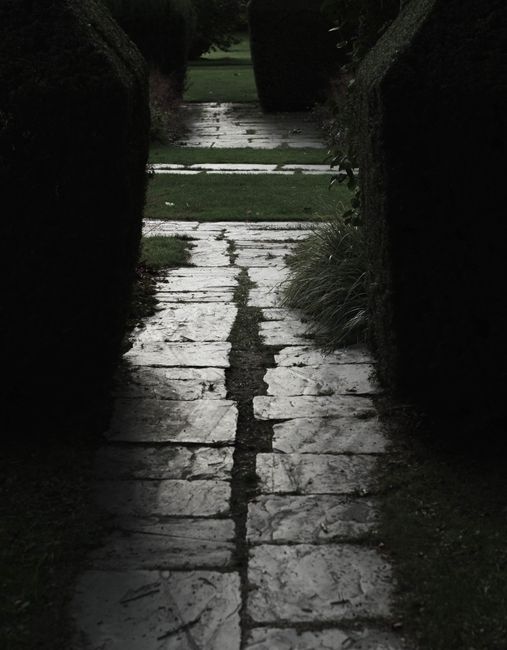
Downham Way gardeners who handle narrow alley access
Finding gardeners who can work through a tight side passage sounds like a small thing until you're staring at bags of clippings, a mower, and a gate that barely swings open. That is exactly where Downham Way gardeners who handle narrow alley access make life easier. They know how to move equipment carefully, protect fences and paving, and still get the job done without turning your garden into a mess of footprints and apologies.
Whether your rear garden is reached by a narrow alley, a shared passage, or a squeeze between two properties, the real issue is not just access. It is planning. It is lifting, carrying, timing, tidying, and knowing when to use smaller tools instead of trying to force the wrong kit through a tight space. In this guide, you'll get a clear look at how it works, what to ask, what to avoid, and how to choose the right team for the job. Nothing fancy. Just practical advice that actually helps.
Why Downham Way gardeners who handle narrow alley access Matters
A narrow alley changes the whole job. A standard garden visit can suddenly become a logistics puzzle: how do the gardeners get in, where do they put waste, what happens if the path is muddy, and can larger tools even be brought through safely? When access is awkward, the quality of the service depends less on muscle and more on method.
For homes around Downham Way, this matters because a lot of the practical garden work is not glamorous. Think hedge cuttings piled up after a trim, bags of lawn waste, broken branches from a clearance, or a pile of soil and edging materials during a landscaping job. If the team doesn't know how to work with tight access, you can end up with wasted time, avoidable damage, and a half-finished garden. Bit frustrating, really.
Good narrow-access gardening is about working neatly from the first step to the last. It usually means smaller kit, lighter loads, careful scheduling, and a tidy exit plan. It also means the team is thinking about your neighbours, shared paths, and the practical realities of getting everything back out again without dragging a trail of debris through the alley.
Expert summary: The best gardeners for narrow alley access are not just "willing to try." They are organised, adaptable, and used to working in restricted spaces without making the job harder than it needs to be.
If you are comparing options, it helps to look beyond the service title and check whether the team offers the kind of work that fits the space. Pages such as services overview and garden maintenance can be useful for understanding how routine care is handled, while garden clearance is often the more relevant fit when access is tight and waste removal becomes a big part of the job.
How Downham Way gardeners who handle narrow alley access Works
In practice, this kind of gardening service starts before anyone picks up a mower. A good team will usually ask how wide the alley is, whether there are steps or bends, where the gate sits, and what needs to be moved in and out. That first bit of information tells them whether they can bring in compact tools, hand-carry waste, or need to split the job into smaller stages.
Usually, the process looks something like this:
- Access check: The gardener confirms the route to the garden, including width, surface condition, and any obstacles.
- Job planning: They decide which tools are suitable and whether the task should be done in sections.
- Protection and setup: Where needed, they protect surfaces, avoid dragging kit, and prepare a clean working route.
- Work execution: Maintenance, trimming, mowing, clearance, or landscaping is carried out using the smallest practical footprint.
- Waste removal and tidy-up: Cuttings, clippings, and debris are cleared efficiently, so the alley is left as it was found, or close enough.
That may sound obvious, but the difference between a smooth visit and a stressful one is often in the details. For example, a lawn mowing job may be simple on paper, yet if the mower will not fit through the access route, a smaller or split method is needed. Likewise, hedge trimming is easy to underestimate because the cutting itself can be quick while the cleanup takes longer than expected. If you want a more regular hand with those repeat jobs, lawn mowing and hedge trimming are worth looking at alongside broader maintenance support.
On bigger or more awkward gardens, the team may also need to combine services. A clearance followed by maintenance, or a trim before a small design change, is pretty common. That's where landscape gardening and landscaping can make sense if the access route can support the materials and the working method.
Key Benefits and Practical Advantages
Choosing gardeners who are genuinely comfortable with narrow alley access gives you more than convenience. It reduces friction across the whole job. And in a real-world garden, friction is what costs time, causes damage, and makes everything feel harder than it should.
- Less damage risk: Smaller kit and careful movement help protect fences, walls, paving, and planting beds.
- Cleaner workflow: Waste is removed in manageable loads, so the alley does not become a bottleneck.
- Better scheduling: The job is more likely to finish on time because access has been planned properly.
- More realistic quotes: Teams that understand tight access are less likely to underprice the labour involved.
- Lower stress for you: You are not left wondering whether a mower, hedge cutter, or wheelbarrow can even get through the gate.
There's also a subtle but important benefit: a team that is used to awkward access tends to be calmer. They are not improvising in the moment. They know the drill. That tends to show in the finish, especially on jobs where the garden itself is modest but the access makes everything feel complicated.
If you're planning a larger refresh, it can help to think in service layers. For example, a mature garden might need tree lopping and removal before lighter maintenance can work properly, or a section of overgrown boundary may benefit from trimming before a clearance. A narrow alley does not prevent good work; it just changes the order in which the work should happen.
Who This Is For and When It Makes Sense
This type of service is ideal for anyone whose garden is not directly accessible from the front drive or who has a back entrance that is awkward, shared, or very tight. That includes terraced homes, properties with side passages, homes with narrow gates, and gardens where the only route is through a long alley with turns or steps.
It also makes sense if you have:
- regular mowing or trimming needs but limited access for machinery
- an overgrown garden that needs a one-off reset
- heavier green waste that must be removed carefully
- new planting or landscaping materials that need to be carried in by hand
- a decked or hard landscaped area that needs maintenance around awkward access points
Truth be told, many people only realise access is an issue when the first quote comes back. That is normal. If you're looking at a project like decking or a layout change, the access route can affect what is realistic. Services such as decking services are often shaped by this. A good contractor will not just say "yes" to everything; they'll explain how the materials and the route will work together.
Sometimes the best time to call in help is before the garden becomes a chore. A narrow passage can make DIY maintenance feel like a small campaign every weekend. Not impossible, just annoying. And after a while, annoying becomes ignored. Then the brambles win. They really do.
Step-by-Step Guidance
If you want the best outcome from a gardener who works with narrow alley access, a little preparation goes a long way. Here's a straightforward way to approach it.
- Measure the access route. Note the narrowest width, any bends, steps, loose paving, low arches, or awkward locks. Even a rough measurement helps.
- List the job clearly. Say whether you need mowing, hedge trimming, clearance, pruning, planting, or a mix of tasks. Mixed jobs are common, so be specific.
- Share what can and cannot be moved. If wheelie bins, planters, garden furniture, or stored items are in the way, say so in advance.
- Ask how waste will be removed. Will it be bagged, carried, or loaded in stages? This matters a lot on tight access properties.
- Check equipment suitability. Compact tools, handheld cutters, and smaller loading methods may be needed. Bigger does not always mean better.
- Confirm surface protection. If the alley has delicate paving, painted walls, or a shared route, ask how those areas will be protected.
- Agree on the finish. Decide whether you want a full tidy, a basic cut, green waste removal, or a more detailed clean-up.
A small point, but a useful one: take a couple of phone photos from the alley looking toward the garden, and one back toward the exit. Those photos often tell the story better than a paragraph of text. You can send them when discussing pricing and quotes, which helps avoid surprises later.
If the job involves a larger reset or heavily neglected borders, ask whether the work should be split into phases. A clearance first, then maintenance next week, is often smarter than trying to force everything into one long day. Less stress. Less mess. Better outcome.
Expert Tips for Better Results
Here's where experience matters a bit. In narrow-access gardens, the "best" choice is often the one that keeps the whole visit controlled, tidy, and realistic.
- Prioritise compact equipment: Smaller tools can be slower on paper, but they often save time once access is factored in.
- Think in zones: Divide the garden into work areas so waste and tools do not pile up in one awkward corner.
- Keep the route clear: Even a few pots or stacked bags can turn a manageable alley into a nuisance.
- Use staged waste removal: For bigger jobs, removing waste in loads is usually safer than waiting until the end.
- Book work earlier in the day if possible: Cooler conditions are easier on crews, and light is better for spotting trip hazards. Simple, but true.
Another thing: don't underestimate how much tidiness matters in a tight access job. A neat team leaves less behind for you to manage, and that is a real quality marker. You can usually tell whether someone has worked in restricted spaces before by how they leave the route. No stray twigs, no muddy handprints on the gate, no half-open bags. Just better habits.
For more complex garden changes, a conversation about service options can help you decide whether you need maintenance, clearance, landscaping, or a combination. Small access often rewards simple plans. Fancy plans? Not always.
Common Mistakes to Avoid
Most problems with narrow alley access are avoidable, which is the irritating part. A few small mistakes can make the whole job slower or pricier than it should be.
- Not mentioning access at the start: If the team turns up expecting a normal route and finds a squeeze, everyone loses time.
- Assuming all tools will fit: A full-size mower or larger cutting kit may simply not be practical.
- Leaving storage in the path: Bikes, bins, and plant pots can create extra handling that should have been avoided.
- Overloading one visit: Trying to do clearance, pruning, and redesign all at once can be too much for a tight-access property.
- Ignoring neighbour impact: Shared routes need extra care, especially where noise, debris, or movement could affect others.
One common trap is focusing only on the front-end task. You might be thinking, "It's only hedge trimming," but the real challenge can be moving cuttings back out again. Same with garden clearance: removing the waste is often the main event. Not a glamorous answer, but there it is.
And please, if the alley is damp or uneven, say so. Wet paving, moss, narrow steps, and tired lighting are not unusual in London gardens, and they absolutely change how a visit should be planned. Better to be a bit over-cautious than to have someone balancing a sack of clippings like it's a circus act.
Tools, Resources and Recommendations
You do not need to become a gardener yourself to make a narrow-access job go well. But it helps to understand the sort of kit and planning that make the work easier.
| Need | Best-fit approach | Why it helps |
|---|---|---|
| Routine mowing | Compact mower or hand-finished cut | Fits through tight routes and avoids damage to the access area |
| Hedge and shrub work | Handheld cutting tools and careful sectioning | Makes trimming more controlled and easier to tidy |
| Overgrown garden | Phased clearance with bagged waste | Prevents the alley from becoming blocked |
| Design changes | Smaller deliveries and staged installation | Helps with materials that are awkward to carry through a narrow route |
| Boundary trees or large growth | Professional pruning or removal plan | Reduces the risk of unsafe handling in a tight space |
Useful supporting pages can also help you think through the wider job. If the garden needs a reset, garden clearance is often the right first step. If the issue is recurring upkeep rather than one-off clutter, garden maintenance keeps the work manageable over time. If the shape of the garden itself needs reworking, landscape gardening and landscaping are the natural next conversations.
For trust and service expectations, it is also sensible to review pages covering how the company handles insurance and safety and how it approaches recycling and sustainability. Those aren't flashy topics, but they matter when a job involves carrying waste through narrow shared space. They really do.
Law, Compliance, Standards, or Best Practice
For most homeowners, this part is about common-sense best practice rather than complicated legal detail. Still, narrow alley access can raise practical safety and responsibility questions, especially where shared paths, neighbours, or waste handling are involved.
A reputable gardening team should work with sensible safety habits: clear routes, controlled lifting, appropriate PPE where needed, and careful handling of cutting tools. If waste is removed, it should be done in a tidy and responsible way. If a shared alley or communal passage is involved, the team should take extra care not to obstruct access for others. None of that is exotic. It is just what good practice looks like.
It is also reasonable to ask whether the business has clear terms, clear pricing expectations, and a basic complaints route if something goes wrong. Those things are boring until they matter, and then they matter quite a lot. If you want to understand how a provider frames those responsibilities, the site pages for terms and conditions, complaints procedure, and health and safety policy are useful indicators of how seriously the business takes operational care.
For customers who value transparency, payment and security and accessibility statement can also be reassuring. They do not change the garden itself, of course, but they do help show that the business is set up to work in a straightforward, professional way.
Options, Methods, or Comparison Table
If you are deciding how to handle a narrow-access garden, it helps to compare the main approaches. The right choice depends on how much work needs doing, how tight the route is, and how often you want the garden maintained.
| Approach | Best for | Pros | Trade-offs |
|---|---|---|---|
| One-off tidy-up | Neglected gardens or seasonal resets | Fast way to regain control | May need follow-up maintenance |
| Regular maintenance visits | Lawns, hedges, borders, and general upkeep | Keeps access issues manageable because less waste builds up | Requires ongoing scheduling |
| Phased clearance and redesign | Heavily overgrown or awkwardly arranged gardens | Better for complex access and larger transformations | Takes longer and needs more planning |
| Small-scale landscaping | Paths, planting, edging, or compact improvements | Can improve usability without major disruption | Material delivery and handling need careful planning |
If your main concern is access, regular maintenance often wins because the job never grows beyond what the alley can comfortably handle. If the garden is already overgrown, clearance first is usually the better route. Not always glamorous, but usually the smart one.
Case Study or Real-World Example
Imagine a small back garden reached only by a narrow side alley off Downham Way. The garden has a patchy lawn, a hedge that has crept over the fence line, and a pile of old clippings and broken pots near the shed. The owner wants the space usable again, but the alley is too tight for bulky equipment and the route includes one awkward turn.
A sensible approach would be to split the work into stages. First, the team would clear the obvious waste and check the access route. Then they would trim the hedge in sections, bag the cuttings immediately, and move them out before they pile up. The lawn would be cut with a smaller machine or partly finished by hand. Finally, the whole route would be tidied so there was no debris left in the alley.
The result? Less chaos, fewer trips back and forth, and a garden that feels usable again instead of being half-finished and slightly embarrassing when guests come round. That is usually the real win. Not perfection. Just a garden you can actually enjoy on a grey Tuesday evening when the light is going and you can smell fresh cut grass in the air.
In a slightly bigger version of the same job, the owner might decide to combine clearance with light redesign. That could mean improving the layout, simplifying access for future visits, or planning a smarter border structure. A small change can make the next year of maintenance much easier. That's the sort of thing experienced gardeners notice quickly.
Practical Checklist
Use this checklist before you book or before the team arrives.
- Measure the narrowest part of the alley.
- Take photos of the access route from both directions.
- List every task you want done, even the small ones.
- Move bins, bikes, and furniture out of the path.
- Check whether the alley is wet, uneven, or poorly lit.
- Ask how waste will be bagged and removed.
- Confirm whether compact tools will be used.
- Decide if the job should be done in one visit or phased.
- Review pricing, payment terms, and what happens if the scope changes.
- Keep neighbour access in mind if the route is shared.
If you can tick most of those off before the visit, you are already ahead of the game. It sounds simple because it is simple. But simple planning saves a lot of hassle.
Conclusion
Downham Way gardens with narrow alley access need a different kind of gardening mindset. Not louder, not flashier, just more thoughtful. The best results come from teams that plan the route, use the right tools, remove waste neatly, and respect the realities of the space. That is what turns a difficult access point into a manageable one.
If your garden feels awkward to service, that does not mean it is awkward to improve. It just means the job needs the right hands and a bit of practical thinking. And once that's in place, the whole thing gets easier than you expected. A bit of breathing room, a cleaner route, and a garden that starts working with you instead of against you.
Get a free quote today and see how much you can save.
Frequently Asked Questions
What does narrow alley access mean for garden work?
It means the gardener has to reach the garden through a tight side passage, shared path, or similarly restricted route. That affects what tools can be used, how waste is removed, and how the job is planned.
Can gardeners still mow lawns through a narrow alley?
Often, yes, but it depends on the width of the route and the mower size. In some cases a compact mower, split approach, or hand-finishing is the more realistic option.
Is narrow access more expensive?
It can be, because awkward access usually takes more time and care. The final price depends on the size of the job, the distance to carry waste, and whether specialist planning is needed.
How should I prepare my alley before the gardeners arrive?
Clear bikes, bins, pots, and other obstacles from the route. If possible, make sure the path is dry and well lit. Photos sent in advance also help a lot.
What if the alley is shared with neighbours?
That is fairly common. A good gardener should work carefully, avoid blocking the route for too long, and keep noise, waste, and movement as tidy as possible.
Can garden clearance be done through a narrow side passage?
Yes, but it may need to be carried out in stages. Waste is usually bagged and moved out in smaller loads so the route stays usable.
Do I need a specialist for tight access gardens?
You do not always need a specialist by name, but you do need a team that is comfortable with restricted access. That experience matters more than a fancy label.
What should I ask before booking?
Ask how they will handle access, what equipment they will bring, how waste will be removed, whether the job will be phased, and how pricing is affected by the tight route.
Can landscaping work be done when access is narrow?
Yes, though the materials and plan may need to be adjusted. Smaller deliveries, staged work, and compact designs are often the practical answer.
What are the biggest risks with tight access?
The main risks are damage to fencing or paving, blocked routes, poor waste handling, and underestimated labour time. None of these are dramatic in themselves, but together they can make the job messy.
How often should a narrow-access garden be maintained?
That depends on growth rate and garden size, but regular maintenance is usually easier than waiting until the space becomes overgrown. Less build-up means less hassle through the alley.
Where can I learn more about the services available?
The most useful starting points are the services overview, plus the pages for garden maintenance and garden clearance, depending on what your garden needs most.
If you are ready to make the access problem feel a lot smaller, start with a clear plan and a team that understands the layout. That usually makes all the difference, and it's often the difference between a stressful job and a satisfying one.