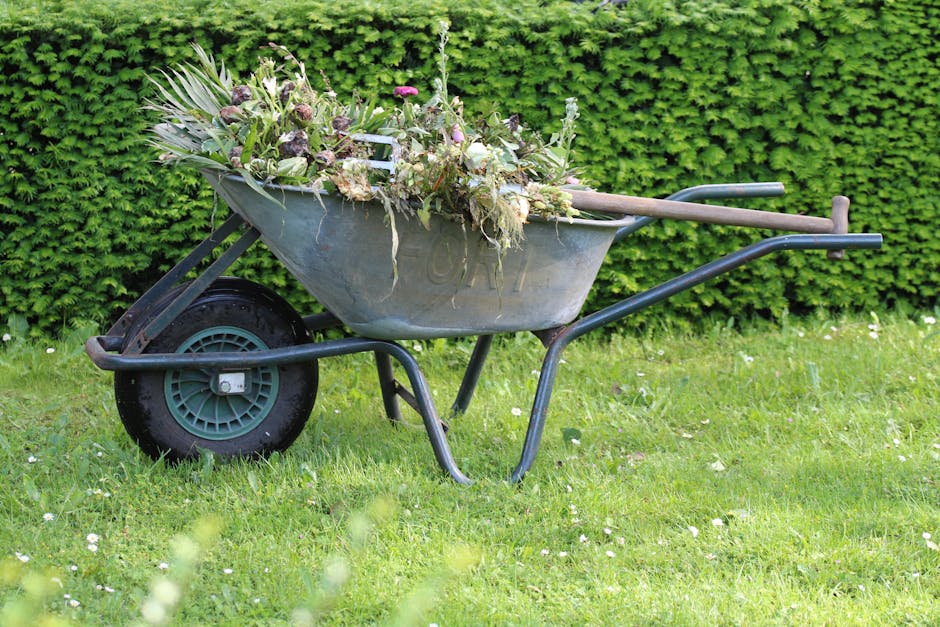
Last minute gardeners in Downham for emergency clear ups: fast help when the garden cannot wait
If your garden has gone from "a bit untidy" to "we need this sorted today," you are not alone. Last minute gardeners in Downham for emergency clear ups are often called in after stormy weather, a missed tenancy handover, an unexpected family visit, or when outdoor space has simply got out of control. In those moments, speed matters, but so does doing the job properly. A rushed clear-up should still leave the space safe, tidy, and usable, not half-finished with piles of debris left behind.
This guide explains what emergency garden clear-ups actually involve, when they make sense, how to prepare for one, and what a good service should cover. You will also find a checklist, a comparison table, and practical advice for avoiding the common mistakes that make urgent jobs more stressful than they need to be. Let's face it, when time is tight, clarity is a relief.
Why it matters
An emergency clear up is not just about appearances. A neglected garden can become awkward to use, difficult to maintain, and in some cases genuinely unsafe. Slippery paths, hidden debris, broken branches, overgrown edges, and blocked access can create problems very quickly, especially if children, older relatives, tenants, or visitors are involved.
In Downham, as in many busy parts of London, outdoor space often has to do a lot of work in a small footprint. A front garden might need to look respectable before a sale or letting viewing. A back garden might need to be cleared before builders arrive. Or maybe the weather has done its thing and now the place looks like it has had a bad week. A fast response helps you regain control before the mess spreads further.
There is also a time factor. Once weeds set seed, green waste piles up, or hedges become too woody to trim neatly, a simple tidy becomes a bigger and slower job. Acting quickly can save effort later. Not always cheaper, but often less painful.
For homeowners, landlords, letting agents, and property managers, a prompt garden clear-up can protect the value and usability of the property. If the work needs to lead into a longer maintenance plan, it often makes sense to review garden maintenance support after the immediate clean-up is finished. That way you are not back at square one in a fortnight.
How it works
A last-minute garden clear-up is usually designed to be straightforward. You explain the problem, the size of the space, and how urgent it is. A good team will then identify what can be done quickly, what needs specialist handling, and whether the job is best treated as a full clearance, a tidy-up, or a combination of both.
In practice, the process often includes:
- an initial call or message to explain the situation
- a quick assessment of the garden's condition and access
- prioritising safety, access routes, and visible problem areas
- cutting back overgrowth, removing waste, and clearing loose debris
- bagging, loading, and taking away green waste where required
- a final tidy so the space looks presentable, not just "less bad"
Some jobs are simple. Others are not. A small patio buried under leaves and hedge clippings is one thing; a heavily overgrown plot with broken fence panels and a mix of green and general waste is another. The better the brief, the smoother the response. If the task is more than a tidy, a dedicated garden clearance service can be the more sensible route.
Speed does not mean guesswork. It means a clear plan, the right tools, and enough hands on site to finish the job in one visit where possible. Simple idea, really. But it matters.
Key benefits and practical advantages
Emergency clear-ups are usually chosen because they solve a real problem quickly. That sounds obvious, but the benefits go beyond saving time.
- Fast restoration of usable space. You can get paths, patios, lawns, and access points back into shape before guests, trades, or tenants arrive.
- Reduced trip and slip risks. Loose cuttings, hidden pots, sharp debris, and overgrowth can all make a garden more hazardous than it looks at first glance.
- Better first impressions. If a property is being viewed, sold, or handed over, a tidy garden gives a stronger overall impression straight away.
- Less stress. A clear plan and a short turnaround reduce the feeling that the mess is taking over the rest of the house too. It happens, honestly.
- More efficient follow-up work. Once the clutter is removed, routine tasks like mowing, trimming, or replanting become far easier to manage.
There is also a practical advantage many people forget: emergency clearing can reveal problems you could not see before. Hidden rotten timber, uneven paving, damaged edging, or a hedge that needs proper reshaping all become obvious once the overgrowth is gone. In some cases, that is the real value of the visit. You finally know what you are dealing with.
Expert summary: The best emergency garden clear-ups do not just remove mess. They restore access, reduce risk, and create a clean starting point for proper maintenance afterward.
Who this is for and when it makes sense
This kind of service is useful for a wide range of people. It is not only for dramatic overgrowth or major neglect. Sometimes the need is smaller, but the timing is brutal.
It may make sense if you are:
- a homeowner preparing for visitors, a sale, or an event
- a landlord between tenancies and needing the outside area presentable quickly
- a letting agent or property manager dealing with a short turnaround
- someone returning from holiday to a garden that has grown out of all recognition
- a business owner with frontage or outdoor space that needs a fast tidy-up
- a family member helping an older relative whose garden has become too much to manage alone
- someone waiting for builders, fencing work, or landscaping to begin
Sometimes people ask whether they should wait for a regular gardening slot instead. The short answer is: if access is blocked, safety is affected, or a deadline is fixed, waiting is often the wrong call. If the situation is minor and can hold for a week or two, routine maintenance may be enough. If not, you probably want someone who can respond quickly and decisively.
For projects that may develop into a larger redesign, it can help to look at landscaping support or even landscape gardening once the immediate clear-up is done. Clear now, improve later. That sequence usually works best.
Step-by-step guidance
If you need a quick result, a calm sequence helps. Rushing around with no plan usually adds to the mess. Here is the simplest way to handle it.
- Identify the priority. Decide what absolutely has to be done today. Is it access, visibility, safety, or general presentation?
- Take a few photos. A couple of clear pictures can help explain the condition of the garden without a long back-and-forth.
- List the main problems. For example: overgrown hedge, fallen branches, bagged waste, long grass, or blocked path.
- Check access. Make sure gates, side entries, and parking or loading arrangements are clear if possible.
- Confirm what should be removed. Be precise about whether all green waste, broken items, or hard materials need taking away.
- Ask about timing and scope. A quick job can mean very different things depending on how much is involved.
- Prepare the site. Move valuables, open access points, and keep pets or children away from the work area.
- Walk the space after completion. Check that the main objective has been achieved and note anything that needs follow-up.
If the garden includes hedges that have shot up while nobody was looking, a separate hedge trimming service can make a huge difference to the final result. And if the problem is a patchy, neglected lawn, pairing the clear-up with lawn mowing can tidy the whole picture in one go.
One small but important point: do not assume "clear up" means the same thing to everyone. It helps to spell out whether you want cuttings removed, borders weeded, shrubs reduced, paths swept, and rubbish taken off-site. It sounds a bit fussy, maybe, but it avoids that awkward moment when one person thinks the job is done and another is staring at a pile of branches.
Expert tips for better results
A quick garden rescue is much more likely to go well when the brief is tight and the priorities are sensible. A few small choices make a big difference.
- Focus on visibility first. Front-facing areas, paths, entrances, and patios usually have the greatest impact on how tidy the property feels.
- Separate urgent from optional. You may not need every border fully reset right away. Sometimes a neat cut and a full waste removal are enough for the moment.
- Be realistic about weather. Wet ground can limit what can safely be done. A foggy, damp morning in London changes the pace a bit, and that is just the way it is.
- Ask for the finish standard you want. "Tidy" can mean different things. If you need visitor-ready, say so.
- Plan for aftercare. Emergency work solves the immediate problem, but the garden still needs a next step. Otherwise the same issue returns almost immediately.
Another useful tip: if the garden has lots of accumulated waste, the right disposal approach matters. A service with a proper focus on recycling and sustainability can help reduce unnecessary landfill and keep the job cleaner overall. You may not see that part of the work, but it matters behind the scenes.
And a quick human note: the best jobs often start with honesty. If the space is more overgrown than you thought, say so. Nobody wins by pretending a jungle is a light tidy.
Common mistakes to avoid
Emergency clear-ups are easy to get wrong when people are under pressure. The good news is that most mistakes are avoidable.
- Under-describing the job. If the person doing the work does not know what is waiting, the schedule becomes unrealistic.
- Leaving waste categories mixed together. Green waste, timber, and general rubbish may need different handling.
- Ignoring access issues. A locked side gate or a blocked driveway can waste precious time.
- Expecting a full redesign in one rush visit. A clear-up is not always the same as a complete transformation.
- Skipping the aftercare plan. Without follow-up maintenance, a rapid tidy becomes a temporary fix.
- Overlooking safety hazards. Broken glass, unstable branches, or hidden uneven ground should be mentioned early.
There is also a tendency to focus only on what is visible from the house. Fair enough, that is what you see every day. But a side return, rear fence line, or rear storage area can hold more debris than the main lawn. When in doubt, walk the full boundary and take a proper look. Five minutes well spent.
If trees or heavy limbs are part of the issue, it may be better to arrange tree lopping and removal rather than treating it as ordinary tidy-up work. That is one of those situations where the correct service really does matter.
Tools, resources and recommendations
You do not need to become a gardener overnight to manage an emergency, but it helps to know what professional teams usually rely on. The exact kit depends on the job, though most clear-ups use a mix of cutting, gathering, loading, and sweeping tools.
Commonly useful items include:
- loppers and secateurs for manageable stems and branches
- hedge cutters for shaping and reducing bulk
- mowers or strimmers for grass that has got away from you
- rakes, brooms, and grabbers for debris and loose material
- heavy-duty bags or bins for green waste
- protective gloves, eye protection, and sturdy footwear
For a homeowner, the most useful "resource" is often not a tool at all. It is a clean, simple brief. What do you want done, by when, and what is the result you need? That three-part answer saves a lot of confusion.
In some cases, a clear-up can be paired with a broader tidy of outdoor features. If the area includes timber structures or worn surfaces, you might want to look at decking services once the main mess is out of the way. If the issue is more about overall presentation, then a maintenance plan may be the better long-term call.
For many people, a sensible next step is to review the wider services overview so the immediate clean-up leads into the right ongoing support. That saves you from bouncing between one-off fixes and half-finished plans.
Law, compliance, standards, or best practice
Emergency garden work in the UK is usually straightforward, but there are still sensible standards to keep in mind. Good practice is not about making the job complicated; it is about avoiding risk and handling waste responsibly.
For example, waste should be dealt with properly rather than dumped or left in a way that creates nuisance. If a service is removing green waste, it should be clear how that material will be transported, separated, and disposed of. That is one reason customers often ask about paperwork, disposal methods, and whether the team is insured.
Safety matters too. If branches are unstable, access is tight, or tools are being used near hard surfaces, the work should be carried out carefully and with appropriate protective measures. A professional team should be able to explain how it approaches hazards and what it does to minimise them. If you are unsure, it is perfectly reasonable to ask about health and safety policy details and the company's approach to insurance and safety.
There are also broader expectations around fairness, payment clarity, and customer communication. Good services should be clear about scope, timing, and what happens if the job changes once the garden is inspected properly. You do not need a lecture about that. You just need it to be clear, up front, and fair.
If you want to understand how a company handles everyday customer matters, it can also help to review its terms and conditions and payment and security information before agreeing a visit. Slightly dull reading, perhaps, but very useful when you are in a hurry.
Options, methods, or comparison table
Not every urgent garden job needs the same solution. Some spaces need a quick reset. Others need a more thorough clearance. Here is a simple comparison that can help you decide.
| Option | Best for | Typical outcome | Good to know |
|---|---|---|---|
| Quick tidy-up | Light mess, short deadlines, presentation issues | Paths cleared, grass reduced, visible areas made neat | Fastest option, but may leave deeper growth untouched |
| Emergency clearance | Overgrowth, blocked access, significant debris | Large amount of material removed and garden made safe | Best when the space is genuinely in bad shape |
| Maintenance visit | Ongoing control after the urgent work | Garden stays in better condition over time | Useful follow-up once the crisis has passed |
| Combined tidy and landscaping prep | Pre-build, pre-sale, or pre-redesign jobs | Clean, workable space ready for the next stage | Often the smartest route if more work is planned |
The best choice usually depends on urgency, scale, and what you need the garden to do next. A family barbecue tomorrow needs a different answer from a property handover next week. Obvious, yes. But easy to forget once the clock starts ticking.
Case study or real-world example
Picture a small terraced property in Downham after a stretch of wet, windy weather. The back garden has become cluttered with fallen twigs, long grass, weeds around the edges, and a hedge that has started creeping into the path. The space is not dangerous in a dramatic sense, but it is awkward, untidy, and not something you would want a visitor to step into without warning.
The priority is not a full redesign. It is access and presentation. The first pass would likely involve clearing debris, reducing the hedge, cutting the grass, and collecting all the green waste in one visit. Once that is done, the garden looks bigger, brighter, and easier to use. Not perfect. But useable, which is what matters on a tight deadline.
After that, the owner may decide to book regular care so the problem does not build back up. That is often how emergency jobs work in the real world. They fix the immediate problem and reveal the sensible next step. Simple as that.
Sometimes the clean-up also uncovers a tired area that now deserves more than maintenance. In that situation, a future plan might include landscape gardening or broader landscaping work. First restore order, then improve the space properly.
Practical checklist
Use this checklist before booking or before a team arrives. It keeps the job focused.
- Identify the main reason for the urgent clear-up
- Take photos of the worst areas
- Note any gates, parking limits, or access restrictions
- List what must be removed and what can stay
- Check for hidden hazards such as broken glass or unstable branches
- Move personal items, bins, toys, and fragile garden decor out of the way
- Decide whether you need a tidy-up, a clearance, or both
- Ask about waste removal and disposal arrangements
- Confirm timing, scope, and any follow-up work
- Plan a maintenance or trimming visit if the garden will need ongoing care
This is one of those situations where a small amount of preparation saves a surprising amount of hassle. A ten-minute walk round the garden can make the whole process smoother. Honestly, it can save the odd headache too.
If you want to understand the company behind the work, you can also review about us before you decide. Trust matters when someone is turning up at short notice and handling your outdoor space.
Get a free quote today and see how much you can save.
Conclusion
Last minute gardeners in Downham for emergency clear ups are there for the moments when a garden needs attention now, not eventually. Whether the issue is overgrowth, storm debris, blocked access, or a presentation deadline, the right response is usually a focused one: clear the space, make it safe, remove the waste, and leave a sensible next step behind.
The best results come from clear communication, realistic expectations, and a service that understands the difference between a quick tidy and a true clearance. If you approach it that way, the job becomes much easier to manage. And when the garden starts to look like a space again, rather than a problem, that is a proper relief.
Take a breath, sort the urgent bit, and let the rest follow in good time. Gardens do come back. Usually quicker than you think.
Frequently Asked Questions
What counts as an emergency garden clear-up in Downham?
It is any situation where the garden needs fast attention because of safety, access, presentation, or a fixed deadline. That could be storm debris, overgrowth, a tenancy handover, or a space that has simply got away from you.
How quickly can last minute gardeners usually respond?
That depends on workload, the size of the job, and access. Some clear-ups can be arranged very quickly, while larger or more complex jobs may need a short lead time. The clearer your brief, the easier it is to fit the work in.
Is a garden clear-up the same as garden maintenance?
Not quite. A clear-up is usually about getting the space under control fast, while maintenance is about keeping it that way over time. They work well together, but they are not the same thing.
What should I tell the gardener before they arrive?
Explain the main issue, how urgent it is, what access is available, and whether any waste needs removing. Photos help a lot. A short, honest description is better than a long vague one.
Can an emergency clear-up include hedge trimming and mowing?
Yes, if those tasks are part of the urgent problem. In many cases, a tidy lawn and cut hedge make the biggest visual difference straight away.
What happens to the waste after the job?
That depends on the service, but green waste is usually collected and handled separately from general rubbish. It is sensible to ask how waste removal is managed before the job starts.
Do I need to be at home during the clear-up?
Not always, but someone usually needs to confirm access and final expectations. If you cannot be there, make sure everything is clearly agreed in advance.
Will a quick clear-up damage plants I want to keep?
A careful team should work around plants you want to preserve. Point them out first. If there are valuable shrubs or borders, make that clear before cutting begins.
Is it worth booking maintenance after an emergency visit?
Usually, yes. The emergency visit solves the immediate mess, but maintenance stops the same problem building back up again. It is often the smarter long-term choice.
How do I know if I need garden clearance rather than a tidy-up?
If there is a large amount of overgrowth, debris, or waste to remove, clearance is often the better fit. If the garden just needs cutting back and cleaning up, a tidy may be enough.
What should I look for in a reliable service?
Clarity, punctuality, sensible pricing information, and a professional approach to safety and waste handling. It also helps if they explain scope without making the job sound more confusing than it is.
Can emergency clear-ups be combined with landscaping work later?
Absolutely. In fact, that is often the best route. Clear the space first, then decide whether the next step is landscaping, planting, or a more structured redesign.
For next steps, you can review the service details, check practical information, or make an enquiry through contact us when you are ready. A tidy garden has a way of making everything else feel a bit lighter.